

The itinerary begins with a flight into Nairobi. There are two nights in the city, a drive to Nanyuki, a family visit in Meru and a few days left open because everyone knows plans can change once you arrive in Kenya.
Then comes the question: what car should you hire?
At first, it seems like a choice between a sedan and an SUV. But the further you look into the trip, the more questions appear. Where will you collect the vehicle? How much luggage is coming? What are the roads like near the places you will stay? Will anyone else drive? And if that family visit runs an extra day, can you extend the booking?
That is the real starting point for car rental in Kenya. A good booking should fit the whole journey, from arrival and handover to the last drive back. This guide will help you think through it before you reserve a vehicle.
Plan the route before choosing the car
Kenya can fit several different kinds of driving into one holiday. You might spend a morning moving between Nairobi meetings, an afternoon on a highway and the next day approaching a lodge by an unpaved road.
The car that suits the first part of the trip may not suit the rest.
Before requesting a quote, write down your likely route. Include the places where you will sleep, the days you expect to travel and any destination whose road access you are unsure about. If you plan to visit a park, ask your accommodation or host about the road leading to it. A destination name alone may not tell the rental team enough about the final stretch.
You can keep the plan flexible. Tell the rental company which stops are confirmed and which are possibilities. At Go-Wheels, the approved area of use is agreed during booking, so it is better to discuss a possible detour before departure. If you decide to add a destination later, contact the team and get approval before changing your route.
A useful enquiry might read:
“We need a car for eight days, starting in Nairobi. There will be four adults and four suitcases. We plan to visit Nanyuki and Meru, with one possible stop in Naivasha. Please advise on a suitable vehicle, the full rental cost and the approved area of use.”
That gives the team far more to work with than “How much is a car for a week?”
Choose the vehicle for your hardest day
Picture a traveller choosing a compact car because most of the trip will be spent in Nairobi. It is a reasonable decision for the first three days. On day four, four passengers, their luggage and their shopping all need to fit into that same car for the drive upcountry.
The most demanding day of your itinerary should influence the vehicle choice.
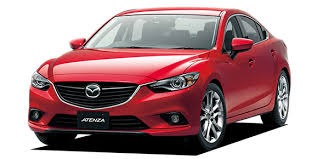
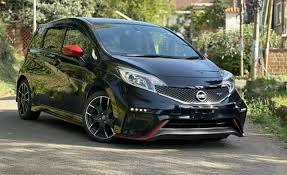
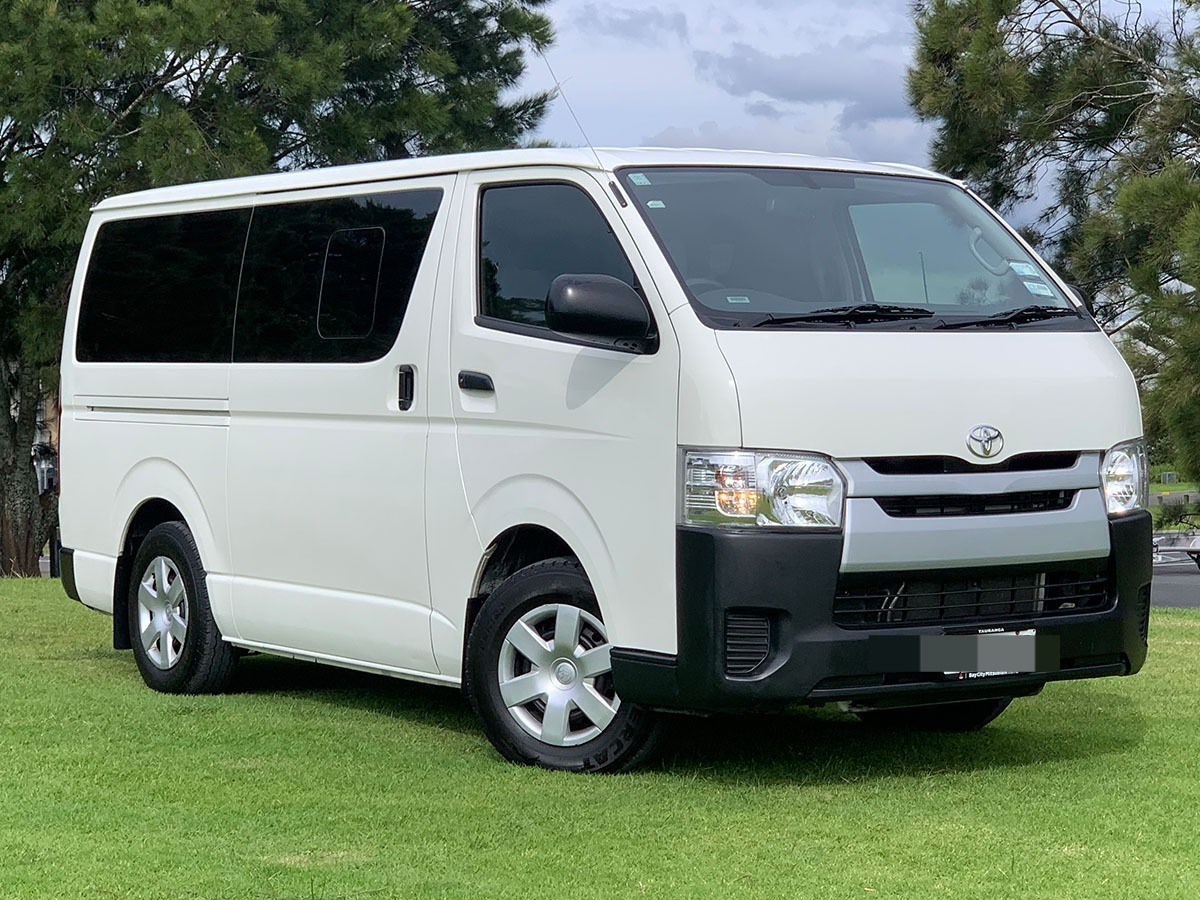
For city errands or a short visit with light luggage, an economy car such as a Mazda Demio may be enough. A sedan such as a Toyota Axio can offer a different balance of cabin space and comfort for everyday travel. If you are moving with family, a Noah, Voxy or another suitable people carrier may be more practical than dividing everyone between two smaller cars.
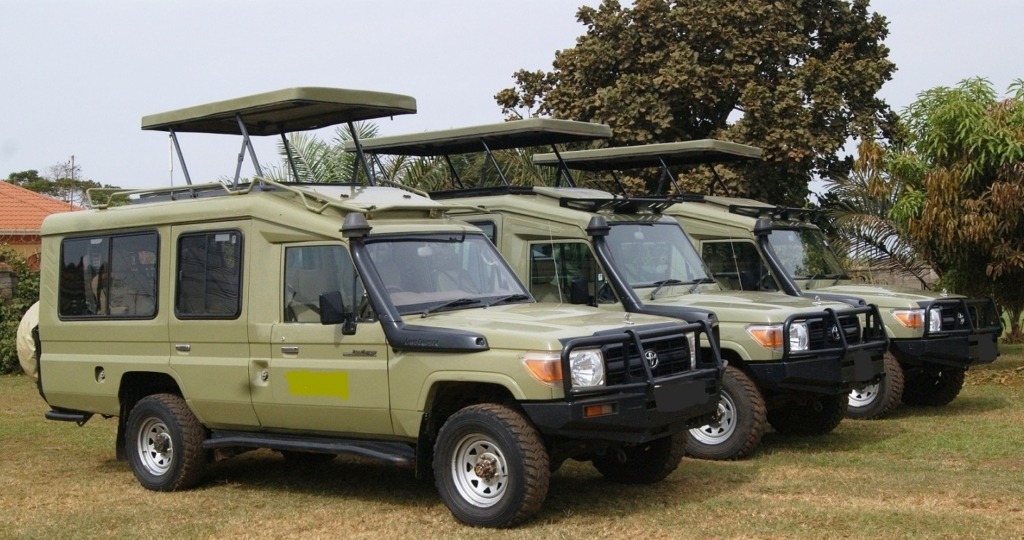
For a longer journey, ask about available SUVs and describe the route. A Mazda CX-5 or Nissan X-Trail may suit some trips, while a more demanding road may call for a capable 4×4 such as a Prado. These are examples of categories to discuss, not a promise that a particular model will be available or suitable for every destination.
Tell the team about passengers and luggage separately. Seven seats do not necessarily mean generous space for seven people’s bags. If you are carrying golf clubs, a bicycle, a stroller or camping equipment, mention it when booking. It is much easier to choose the right vehicle before everyone is standing beside it with their luggage.
Self drive or a car with a driver?
Some journeys are made better by driving yourself. You can leave when you choose, take the scenic stop you spotted on the way and spend longer with family without managing a driver’s schedule.
For other trips, a driver takes a lot off your plate. You might be hosting visitors, attending meetings throughout the day or arriving after a tiring flight. If you are unfamiliar with a route and want to focus on your passengers, car hire with a driver in Kenya may be worth discussing.
Think about how you want the days to feel.
A self drive rental offers independence, but you are responsible for operating the vehicle and following the agreed rental terms. A chauffeured booking needs a clear itinerary too: the quoted hours, fuel arrangements, driver costs and any overnight accommodation should be understood before travel.
If your needs change during a longer visit, ask whether separate arrangements are possible. For example, you may want an airport transfer on arrival and a self drive vehicle for the rest of your stay. There is no need to force every day of the trip into the same transport plan.
Arriving in Kenya: make the first handover easy
You land at JKIA. Your flight was delayed, one suitcase took longer to appear and the person travelling with you wants to buy a local SIM card before leaving the airport. Meanwhile, your rental booking says “airport pickup, 8:00 a.m.”
This is why the arrival plan matters as much as the vehicle.
When arranging a car rental at Nairobi airport, share your flight number, arrival date and a contact the team can reach after you land. Confirm where you will meet, when your rental period begins and what to do if your flight is significantly delayed. Tell the team how many people and bags are coming so the car has been chosen with the full group in mind.
Go-Wheels can discuss delivery to JKIA by prior agreement. You can also ask about delivery to your home, workplace or another agreed location in Nairobi if you would rather get settled before taking the wheel. For a first time self drive booking, verification and the handover location need to be arranged ahead of time.
An airport delivery should be planned around the time you can realistically receive the car, not just the scheduled landing time.
What does a car rental in Kenya cost?
A daily rate is a starting point, not the total cost of your trip.
A quotation may depend on the vehicle, dates, number of rental days, delivery location and whether you have requested a driver. The amount due at reservation and the balance due at handover should also be clear. If your travel dates fall during a busy period, availability may affect which cars can be offered.
When comparing quotes, use the same itinerary for each one. Ask:
- What vehicle or vehicle category is included?
- What are the exact start and return times?
- How many days am I paying for?
- Is delivery included or charged separately?
- What payment is needed to reserve the vehicle?
- When is the remaining balance due?
- What happens if I return late or need another day?
- What are the fuel and permitted route terms?
Read the rental agreement alongside the quote. An appealing daily price is less useful if you have misunderstood the return time or the costs attached to your particular trip.
Go-Wheels can provide a current quote once you share your itinerary. Prices and vehicle availability vary, so an older rate on a blog or social post should not be treated as a confirmed offer for new dates.
Prepare your documents before travel day
For self drive car rental in Kenya, verification is part of the booking. Leaving it until the vehicle arrives can delay a carefully planned departure.
Go-Wheels typically requests an ID or passport, a valid driving licence, a clear selfie, your itinerary, residence or delivery details, and information that helps verify your work or business. Emergency contacts may also be requested. The team will confirm the requirements that apply to your booking.
The primary renter should be available to complete the handover. If another person will drive, disclose that before the trip and obtain approval. Do not assume that everyone in your group can take turns simply because they hold driving licences.
Visitors arriving from abroad should share their licence and identification details early enough for the team to confirm whether the documents meet the booking requirements. Having the conversation before your flight is far easier than trying to resolve it beside a waiting car.
The condition check is part of the journey
A handover often happens when everyone is eager to leave. That is precisely when a few careful minutes are valuable.
Walk around the car with the person delivering it. Look at the bumpers, panels, wheels, tyres, windows and lights. Check the interior and dashboard. Record the fuel level and odometer reading, and take clear photos or a 360 degree video. Any existing marks should be noted on the handover record.
Ask where the spare tyre, jack and safety accessories are kept. Confirm the correct fuel and the fuel return rule for that vehicle. Some vehicles are returned at the level supplied; others may have a different arrangement agreed in the booking. Follow the term you have been given for your car.
Make sure you have a number to call if you notice a warning light or something feels wrong once you begin driving. If an issue appears shortly after handover, report it promptly rather than waiting until the end of the rental.
The goal is a shared, accurate record that lets both sides begin the trip with confidence.
What if the car develops a problem far from Nairobi?
No one plans a road trip around a mechanical issue, but it helps to know what you would do if one occurred.
If the vehicle shows a warning light, develops an unusual sound or no longer feels safe to drive, stop in a safe place and contact Go-Wheels. Describe what happened, share your location and follow the guidance you receive. Avoid authorising repairs on your own before speaking to the team.
If there is an accident, first deal with immediate safety, then follow the incident reporting steps in your rental agreement. You may need to provide details and documentation for the insurance process. Keep the rental team informed so the response can be coordinated.
Before setting off on any longer journey, save the correct support contact and make sure your phone can be reached. Clear communication is especially valuable when you are away from your original handover location.
Returning the car: finish as carefully as you started
The last day of a trip has a way of becoming crowded. There are people to say goodbye to, bags to repack and perhaps a flight to catch. Leave enough time to return the vehicle under the agreed terms.
Confirm the return place and time before your final travel day. Refuel according to your booking’s fuel rule. Remove your belongings, including anything left in the boot, seat pockets or charging ports. Allow time for the vehicle condition and fuel level to be checked against the handover record.
If you expect to be late, tell the team as soon as you know. An extension depends on approval and availability, particularly if another client is waiting for the car. It is easier to agree on a new plan before the scheduled return time has passed.
A smooth return is the final part of a good rental experience.
Your trip deserves a car chosen for the whole journey
Car rental in Kenya can serve many different plans: a few days of business in Nairobi, a family visit upcountry, an airport arrival or a longer stay with several destinations. The best booking begins by sharing the full picture.
At Go-Wheels, we help clients consider self drive and chauffeured options, vehicle size, delivery arrangements and the route they intend to take. Our Nairobi location is on Northern Bypass, off Kiambu Road, near Glee Hotel in Runda. Delivery to an agreed location can be discussed when you book.
Tell us your dates, passenger count, luggage, pickup location and destinations. We will share available options, the applicable requirements and a quote for your trip.
Call or WhatsApp Go-Wheels on +254 793 373 705, or visit www.gowheels.co.ke. Wherever the journey takes you, let’s start with the right vehicle and a clear plan.
Go-Wheels — Your Mobility Partner.