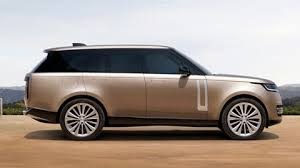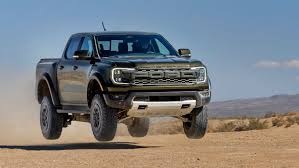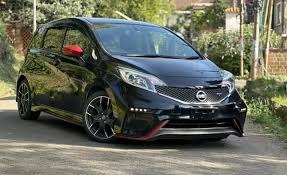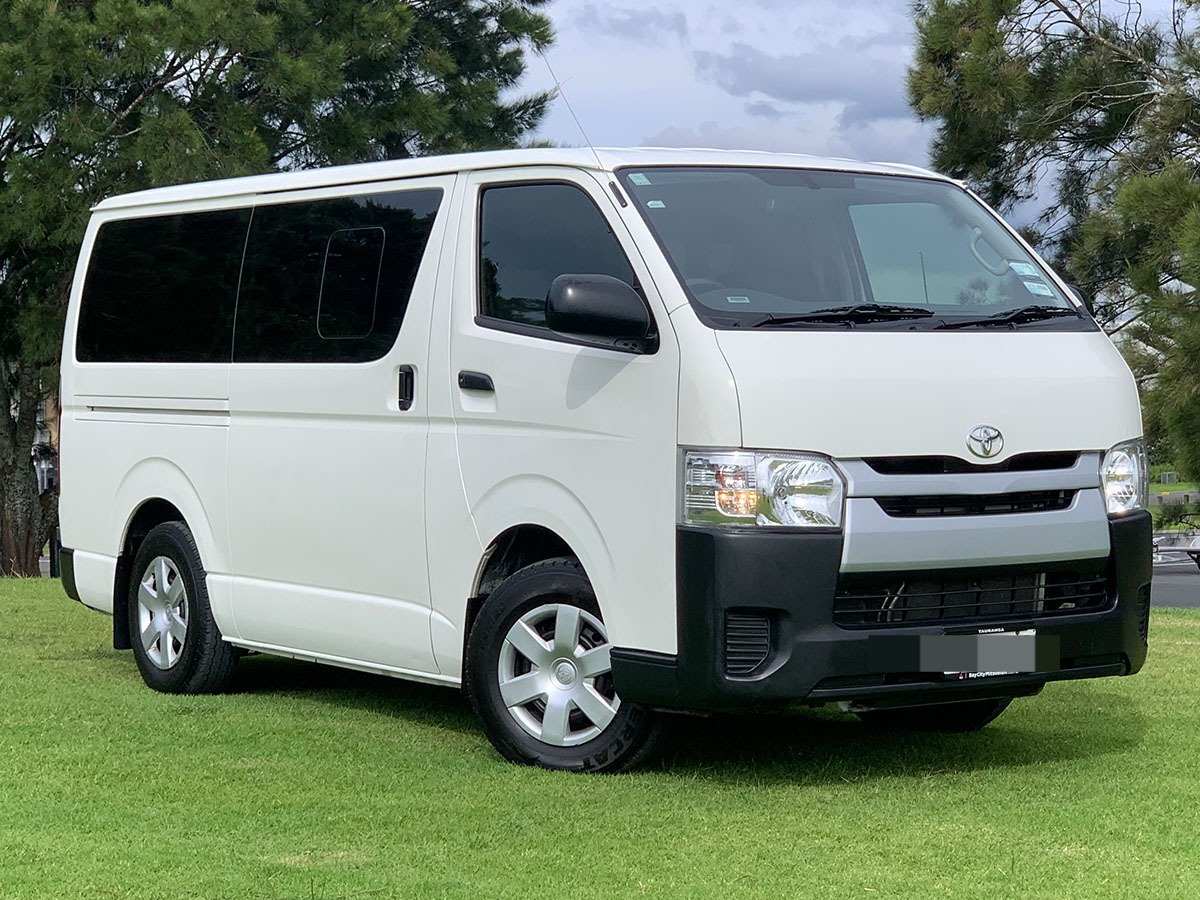
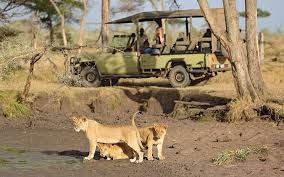
When you think of Kenya, you picture lions lazing on the savannah, giraffes gracefully crossing dusty trails, and elephants silhouetted against glowing sunsets. For many first-time tourists, these moments are at the top of their bucket list. The good news? You don’t need to book an expensive package tour. With a reliable self-drive safari car rental in Kenya, you can create your own adventure at your own pace.
At Go-Wheels (www.gowheels.co.ke), we’ve seen hundreds of travelers trade tour buses for the freedom of the open road. From Nairobi to Mombasa, Kisumu to Nanyuki, we provide the best car hire for safaris in Kenya, ensuring tourists enjoy comfort, safety, and value. If this is your first time planning a self-drive safari, here are some practical, creative, and essential tips to get you started.
Why Choose a Self-Drive Safari?
Most first-time tourists wonder: Should I drive myself, or should I hire a safari guide? Both options have their place, but a self-drive safari rental in Kenya offers unique benefits:
- Freedom of schedule – You decide when to leave camp and how long to stay at each spot.
- Privacy – No crowded tour vans; just you, your travel companions, and the wild.
- Cost savings – Renting a 4×4 SUV often costs less than joining a guided group tour.
- Adventure – There’s a thrill in navigating Kenya’s landscapes on your own.
With the right planning, a self-drive safari becomes not just a trip but a story you’ll tell for years.
Tip 1: Choose the Right Safari Car
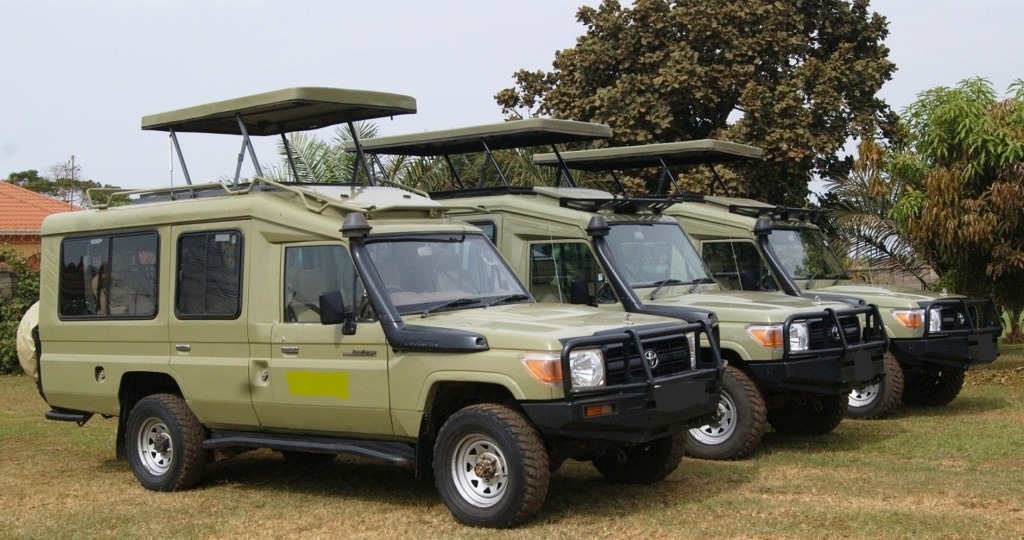
Not every car is built for the bush. Kenya’s national parks and game reserves are often connected by bumpy, dusty, or muddy roads. That’s why tourists renting a safari car in Nairobi, Mombasa, Kisumu, or Nanyuki should go for a high-clearance, four-wheel-drive option.
Recommended models at Go-Wheels:
- Toyota Land Cruiser Prado – A balance of comfort and strength, perfect for families.
- Land Cruiser Safari Edition (Hardtop) – Complete with pop-up roof for game viewing.
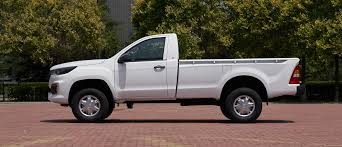
- Toyota Hilux Double Cabin – Rugged and dependable for camping safaris.
- Land Cruiser V8 – For those who want luxury with power.
👉 Longtail keyword naturally integrated: “best self-drive safari car hire in Kenya for tourists.”
Tip 2: Understand the Road Rules
Driving in Kenya is exciting but requires awareness:
- We drive on the left-hand side.
- Speed limits: 50 km/h in towns, 80 km/h outside towns, 100 km/h on highways.
- Avoid driving at night, especially in rural areas, due to livestock, potholes, and low visibility.
Before you book your self-drive car hire in Nairobi or Mombasa, ensure you have an International Driving Permit (IDP) along with your home country license.
Tip 3: Plan Your Routes in Advance
Kenya is vast. While maps and apps are helpful, signal can disappear in remote areas. Always download offline maps and check routes before leaving.
Popular self-drive safari routes:
- Nairobi → Maasai Mara (6 hours) – Famous for the Great Migration.
- Mombasa → Tsavo East/West (4–5 hours) – Great for combining beach and bush.
- Nairobi → Amboseli (4 hours) – Stunning backdrop of Mount Kilimanjaro.
- Nanyuki → Samburu (3–4 hours) – Unique wildlife species like the Grevy’s zebra.
Tip: Ask Go-Wheels for recommended self-drive safari itineraries in Kenya. We provide advice based on your rental and destination.
Tip 4: Pack Essentials for Your Drive
A safari isn’t like city commuting. Here’s what first-time tourists should carry in their rental SUV:
- Extra water and snacks – Game drives can be long.
- Binoculars and camera gear – Wildlife sightings may be far.
- First aid kit – Always useful.
- Cash – Some park gates and fuel stations don’t accept cards.
- Spare tire and tools – Our safari rentals come fully equipped, but double-check before departure.
Tip 5: Respect Wildlife and Park Rules
A safari is about observing, not intruding. First-time tourists often make mistakes like driving too close to animals or leaving vehicles at unsafe spots. Park rangers recommend:
- Keep 20–30 meters distance from animals.
- Never feed wildlife.
- Stick to marked tracks.
- Avoid loud noises or music.
With Go-Wheels self-drive safari rentals, you’ll receive a briefing on park rules before setting off.
Tip 6: Budget for Park Fees
Each park or reserve in Kenya has entry fees. Example:
- Maasai Mara: around $70 per adult per day.
- Amboseli: around $60 per adult per day.
- Tsavo East/West: around $52 per adult per day.
Always confirm the latest rates. Having your safari vehicle booked through Go-Wheels car hire services in Kenya makes budgeting easier — you only focus on entry fees, fuel, and accommodation.
Tip 7: Consider Driver vs. Self-Drive
Even though you’re opting for self-drive, remember that car hire in Kenya with driver is always an option. For first-time tourists unsure about navigation, hiring a driver-guide offers peace of mind. At Go-Wheels, you can choose flexible packages:
- Full self-drive.
- Self-drive with optional driver add-on.
- Chauffeur-driven luxury safari hire.
Tip 8: Safety & Security on the Road
Kenya is welcoming, but safety is essential:
- Don’t leave valuables visible in your car.
- Use official fuel stations.
- Park in secure places in towns.
- Always keep your rental agreement and insurance papers handy.
Go-Wheels ensures every car is fitted with GPS trackers and offers 24/7 roadside assistance. First-time tourists renting from us can focus on adventure, not worry.
Tip 9: Make It Comfortable
A safari can involve hours in the car. Choose vehicles with air conditioning, enough seating, and space for luggage. Families appreciate 7-seater SUV rentals in Nairobi and Mombasa, while couples may opt for compact but powerful SUVs.
Tip 10: Book Early During Peak Season
Kenya’s safari high seasons are July–October (Great Migration) and December holidays. Self-drive cars sell out fast. Booking in advance at www.gowheels.co.ke ensures you get the vehicle you want — at the best rate.
How Much Does a Self-Drive Safari Cost in Kenya?
Tourists often ask: What’s the cost of self-drive safari rentals in Kenya?
- Compact SUVs: $70–$100/day
- Toyota Prado: $120–$160/day
- Land Cruiser Safari Edition: $150–$180/day
- Luxury Land Cruiser V8: $200+/day
Go-Wheels offers discounts for 10-day safaris and flexible long-term leases. Transparent pricing means no hidden surprises.
Why First-Time Tourists Should Choose Go-Wheels
- Nationwide presence – Nairobi, Mombasa, Kisumu, Nanyuki.
- Diverse safari fleet – From budget SUVs to luxury Land Cruisers.
- Flexible hire options – Daily, weekly, monthly, or rent-to-own car lease in Kenya.
- Trusted by tourists & corporates – With 300+ monthly bookings.
- Dedicated support – 24/7 roadside assistance.
Whether you’re a first-time tourist in Nairobi, a honeymoon couple in Mombasa, or a family on a road trip from Nanyuki, Go-Wheels is the best way to hire a car in Kenya for safari adventures.
Final Thoughts
A self-drive safari is the adventure of a lifetime. The sound of lions at night, the sight of elephants crossing your path, the sunrise over the savannah — these moments are best experienced at your own pace. But to enjoy them fully, you need the right partner on the road.
👉 Book your self-drive safari car rental today at www.gowheels.co.ke or call +254 793 373 705.
With Go-Wheels, every journey begins with peace of mind.
Go-Wheels – Your Mobility Partner.